
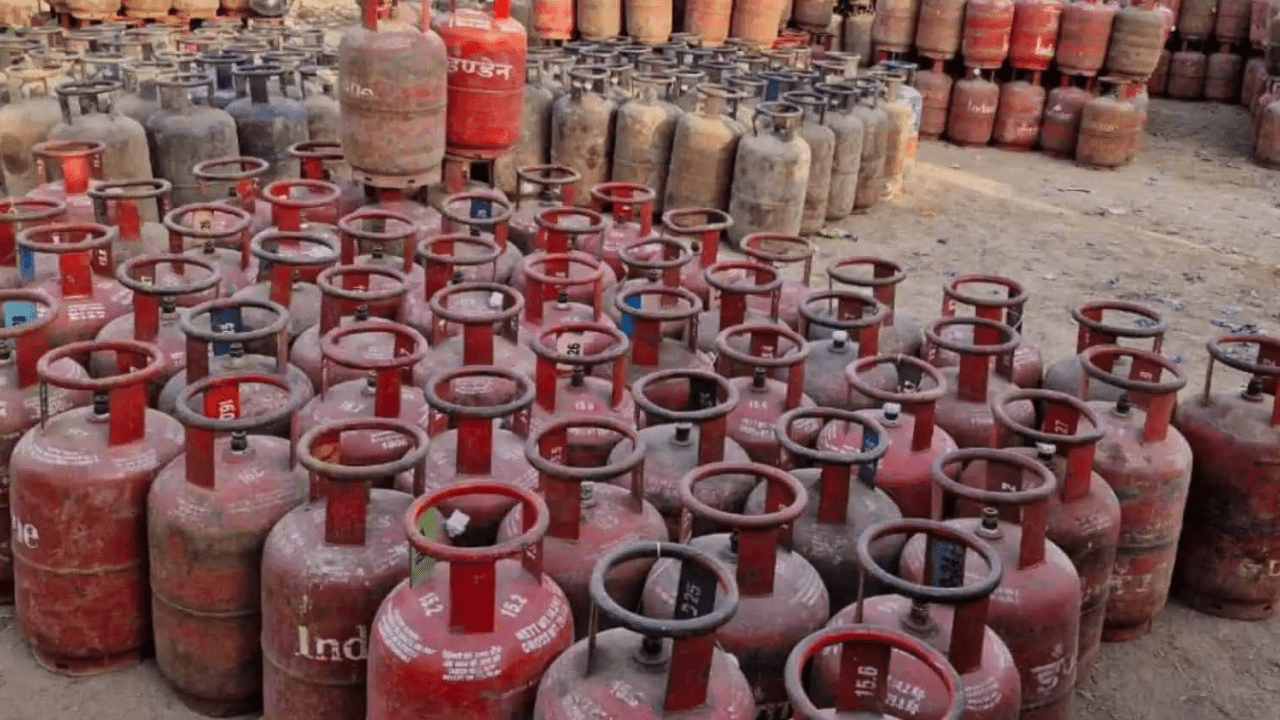
Commercial LPG cylinder prices have risen again, adding further pressure on restaurants, hotels, caterers and small businesses across India amid heightened concerns over global energy supply disruptions. Effective June 1, the price of a 19-kg commercial LPG cylinder in Delhi has been increased by ₹42, taking the retail rate to ₹3,113.50. The latest revision comes at a time when international energy markets remain volatile due to escalating geopolitical tensions in the Middle East and growing concerns about supply security.
While commercial consumers face another increase in operating costs, domestic households have been spared from any immediate impact. The price of a 14.2-kg domestic LPG cylinder remains unchanged at ₹913 in Delhi, continuing the government’s policy of insulating household consumers from frequent market-linked price fluctuations.
The latest increase underscores the widening gap between commercial and domestic LPG pricing and highlights the growing influence of international energy markets on India’s fuel costs.
Commercial LPG Prices Continue Upward Trend
The revised rates mark another significant increase for commercial users who have already experienced multiple price hikes over recent months.
Following the latest revision, a 19-kg commercial LPG cylinder in Delhi now costs ₹3,113.50. In Kolkata, the price has increased by ₹53.50, taking the retail rate to ₹3,255.50 per cylinder.
In addition to commercial cylinders, the price of a 5-kg Free Trade LPG (FTL) cylinder has also been raised by ₹11, bringing its price in Delhi to ₹821.50.
The commercial LPG segment has witnessed considerable volatility this year. Prior increases in March and April pushed prices higher by ₹114.50 and ₹195.50 respectively. Another sharp revision in May further elevated costs, significantly increasing fuel expenses for businesses that rely heavily on LPG for daily operations.
Industry observers note that commercial LPG prices are generally more responsive to international energy trends than domestic cooking gas rates, which often involve policy considerations and government interventions.
Global Energy Market Pressures Behind the Increase
The latest revision comes amid rising concerns over global energy supplies linked to geopolitical tensions in West Asia.
Market participants have been closely monitoring developments involving the United States and Iran, which have raised fears of potential disruptions to oil and LPG shipments passing through the Strait of Hormuz. The strategic waterway remains one of the world’s most important energy transit routes, carrying a substantial share of global crude oil and liquefied petroleum gas exports.
India’s dependence on imported energy leaves it particularly vulnerable to fluctuations in international markets. With the country importing more than 85 percent of its crude oil requirements, any disruption in global supply chains can quickly influence domestic fuel pricing.
Higher crude oil prices often translate into increased transportation, refining and distribution costs, eventually affecting petroleum products and LPG rates across the country.
Also read: LPG Shortage in India Triggers Long Queues, Restaurant Closures and Surge in Electric Cooking Demand
Government Moves to Strengthen Fuel Security
Amid concerns over supply disruptions, the government has emphasized that fuel availability remains stable and adequate.
Officials from the Ministry of Petroleum and Natural Gas have stated that efforts are underway to strengthen strategic fuel reserves and enhance preparedness against any future supply shocks. Oil marketing companies have been directed to work toward maintaining a minimum 30-day LPG reserve to improve energy security.
Authorities have also assured consumers that petrol, diesel, LPG and natural gas stocks remain sufficient and that refineries across the country are operating at optimal levels. Domestic LPG production has reportedly reached record levels, helping support demand despite market uncertainties.
To prevent hoarding and diversion of fuel supplies, enforcement actions have been intensified. Thousands of inspections have been conducted across LPG distribution networks and fuel retail outlets, resulting in multiple seizures, legal cases and arrests.
Officials say these measures are intended to ensure uninterrupted availability while discouraging unauthorized stockpiling during periods of heightened demand.
Expert Analysis / What This Means
The latest commercial LPG price hike is likely to have a cascading impact beyond fuel consumers alone. Restaurants, hotels, catering businesses and food delivery kitchens are among the largest users of commercial LPG, and repeated increases may force many operators to pass higher costs on to customers.
For small and medium-sized enterprises already dealing with rising input expenses, the increase adds another layer of financial pressure. If fuel prices continue to climb, menu prices, service charges and operational expenses across the hospitality sector could see further adjustments.
The development also reflects how global geopolitical events can rapidly influence domestic economic conditions in import-dependent countries such as India. Similar patterns have been observed during previous periods of international conflict when disruptions in energy supply routes led to sharp increases in fuel costs.
At the macroeconomic level, sustained increases in commercial fuel prices can contribute to higher transportation and logistics expenses, potentially feeding into broader inflationary trends. While households have been protected from immediate LPG price increases, prolonged pressure on global energy markets may eventually test the sustainability of that approach.
The government’s focus on strategic reserves and supply monitoring suggests policymakers are preparing for continued uncertainty in global energy markets rather than treating current disruptions as temporary.
Industry / Market Impact
The hospitality and food service sectors are expected to be among the most affected by the latest increase. Commercial kitchens consume multiple cylinders each month, making LPG a significant component of operating expenses.
Businesses with limited pricing flexibility may face margin compression, while larger operators could attempt to offset rising costs through menu revisions or efficiency measures. Event catering services and small eateries are particularly vulnerable because fuel expenses account for a substantial share of their daily operational costs.
The increase may also influence inflation-sensitive sectors if transportation and production costs continue to rise alongside fuel prices.
What Happens Next
Future LPG pricing will largely depend on developments in international energy markets and geopolitical stability in the Middle East.
If global crude oil and LPG supplies remain under pressure, commercial fuel prices could continue to experience volatility in the coming months. At the same time, government efforts to build strategic reserves, increase monitoring and maintain adequate inventories are likely to remain a key focus.
Market participants will closely watch both international crude prices and domestic policy decisions to assess the direction of future fuel costs.
Key Figures and Data
- Commercial LPG cylinder (19 kg) in Delhi: ₹3,113.50
- Increase in Delhi commercial LPG price: ₹42 per cylinder
- Commercial LPG cylinder (19 kg) in Kolkata: ₹3,255.50
- Increase in Kolkata commercial LPG price: ₹53.50 per cylinder
- 5-kg Free Trade LPG cylinder in Delhi: ₹821.50
- Increase in 5-kg FTL cylinder: ₹11
- Domestic LPG cylinder (14.2 kg) in Delhi: ₹913 (unchanged)
- India’s crude oil import dependence: Over 85%
- Minimum LPG reserve target under consideration: 30 days