
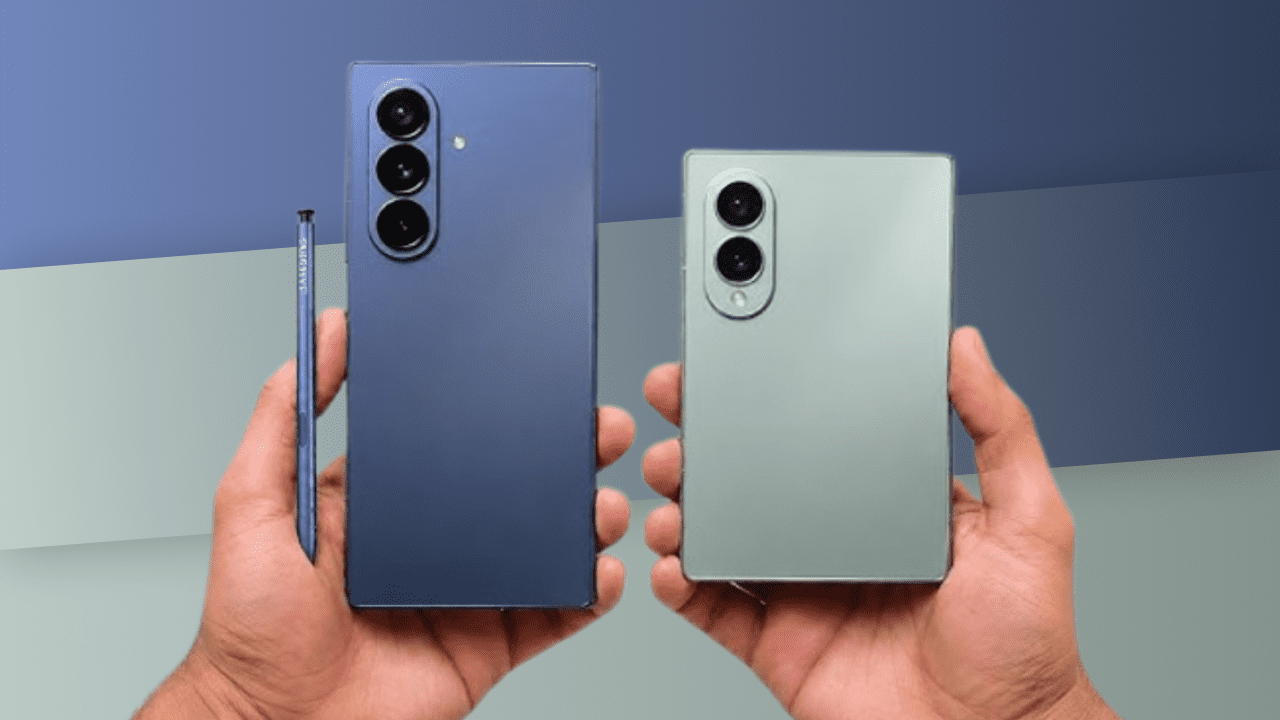
Samsung’s Galaxy Z Fold 8 series is shaping up to be one of the company’s biggest foldable launches yet, with multiple reports indicating significant upgrades across cameras, displays, hardware, and supply chain strategy. Expected to be unveiled during Samsung’s Unpacked event in London in late July, the upcoming lineup is rumored to introduce three foldable smartphones including an all-new Galaxy Z Fold 8 variant while strengthening Samsung’s position ahead of Apple’s anticipated foldable iPhone debut later this year.
Beyond hardware improvements, Samsung appears to be making strategic changes behind the scenes by expanding its network of camera component suppliers. The move is expected to improve production stability, reduce manufacturing costs amid rising semiconductor prices, and help the company scale production across multiple foldable models targeting different price segments.
Also read: Nothing Phone 4b Set for July 7 Launch in India as Company Expands Smartphone Portfolio
Samsung Expands Foldable Portfolio With Three Models
Leaks suggest Samsung will introduce its broadest foldable lineup to date.
The flagship Galaxy Z Fold 8 Ultra is expected to replace the previous-generation Fold as Samsung’s premium book-style foldable. Alongside it, reports point to an all-new Galaxy Z Fold 8, sometimes referred to as the “Wide” Fold, featuring a wider aspect ratio intended to offer a more conventional smartphone experience while providing a tablet-like display when unfolded.
Completing the lineup is the Galaxy Z Flip 8, Samsung’s clamshell foldable aimed at mainstream consumers. Reports also indicate the company is preparing a more affordable Galaxy Z Flip 8 FE for launch later in the year, further expanding its foldable ecosystem.
Also read: Apple’s iPhone 18 Launch Could Be Delayed Until 2027 as Supply Chain Signals Major Strategy Shift
Camera Upgrades Backed by a Larger Supply Chain
One of Samsung’s most significant strategic changes appears to be its decision to diversify camera module suppliers.
According to industry reports, suppliers including Camsys, MCNEX, Powerlogics, Namuga, Samsung Electro-Mechanics and Sunny Optical will contribute camera modules and lenses across the Fold 8 and Flip 8 lineup.
The Galaxy Z Flip 8 is expected to retain a familiar camera setup featuring:
- 50MP primary camera
- 12MP ultra-wide camera
- 10MP front camera
The Galaxy Z Fold 8 is rumored to include:
- 50MP primary camera with optical image stabilization
- 50MP ultra-wide camera
- Dual 10MP front-facing cameras
Meanwhile, the premium Galaxy Z Fold 8 Ultra could receive Samsung’s largest camera upgrade ever on a Fold device, featuring:
- 200MP primary camera
- 50MP ultra-wide camera
- 10MP telephoto camera with 3x optical zoom
- Dual 10MP front-facing cameras
If accurate, the Ultra would significantly narrow the gap between Samsung’s Fold series and its Galaxy S Ultra flagship photography experience.
Also read: HONOR 600 Series Bets Big on AI Features and Creator Culture as Global Smartphone Race Intensifies
Display and Hardware Improvements Take Center Stage
Display technology is expected to be another major focus of the Fold 8 Ultra.
Recent leaks claim Samsung has substantially increased the screen resolution compared to the previous generation, although exact specifications remain undisclosed. The Ultra is also rumored to feature a noticeably reduced display crease, reflecting Samsung’s continued efforts to improve foldable durability and viewing quality.
Additional reported specifications include:
- Snapdragon 8 Elite Gen 5 processor (market dependent)
- 5,000mAh battery
- 45W wired charging
- Approximately 4.1mm thickness when unfolded
- Around 215g weight
- Up to 1TB storage
The standard Galaxy Z Fold 8 is expected to prioritize usability through its wider display ratio and thicker ultra-thin glass, potentially offering improved durability for everyday use.
Industry / Market Impact
Samsung’s hardware strategy extends beyond premium specifications.
The company is reportedly expanding component sourcing at a time when global DRAM and NAND memory prices remain elevated, creating additional pressure on smartphone manufacturing costs. By working with multiple camera suppliers instead of relying heavily on a smaller group, Samsung can improve production flexibility, reduce supply disruptions, and better manage component pricing.
This diversified approach could become increasingly important as Samsung prepares for heightened competition in the premium foldable segment.
Apple is widely expected to introduce its first foldable iPhone later this year, intensifying competition in a category Samsung has largely dominated for several years.
Also read: Vivo X300 FE debuts globally with compact flagship design, India launch set for May
Expert Analysis / What This Means
Samsung’s reported strategy suggests that the Galaxy Z Fold 8 series is not simply another annual hardware refresh but part of a broader effort to strengthen its leadership in the foldable smartphone market.
Expanding the supplier network may help the company maintain production volumes even as component costs fluctuate, potentially limiting the impact of rising manufacturing expenses on consumers. At the same time, introducing three distinct foldable models allows Samsung to target multiple customer segments instead of relying solely on premium buyers.
The rumored 200MP camera, higher-resolution display and thinner design also indicate Samsung is addressing some of the most common criticisms of previous Fold devices, particularly camera performance and display quality.
If Apple launches its own foldable smartphone in the coming months, Samsung’s expanded portfolio and mature manufacturing ecosystem could provide a significant competitive advantage. However, pricing will remain a crucial factor, especially if higher memory costs translate into more expensive flagship devices.
Overall, Samsung appears to be balancing innovation with supply chain resilience a strategy that could influence the broader foldable smartphone market over the next product cycle.
What Happens Next
Current leaks point toward Samsung holding its next Galaxy Unpacked event in London in late July, with July 22 emerging as the most frequently mentioned launch date.
Pre-orders are expected to begin immediately following the announcement, with retail availability anticipated in early August.
While hardware specifications continue to emerge through industry leaks, pricing remains the biggest unanswered question. Analysts expect Samsung to balance premium upgrades against rising component costs, with final pricing likely to determine how aggressively the Fold 8 series competes against upcoming foldable rivals.
Until Samsung officially unveils the devices, all reported specifications and launch details should be treated as unconfirmed.