
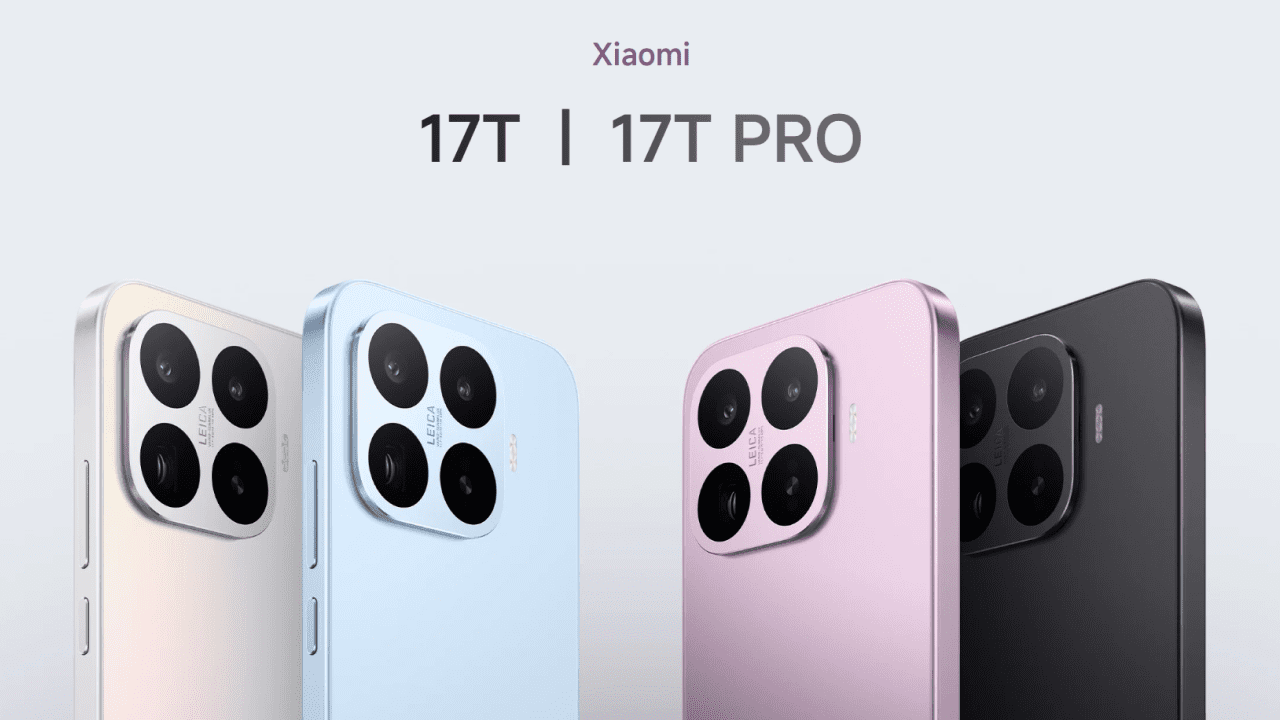
Xiaomi has officially expanded its premium smartphone lineup with the global launch of the Xiaomi 17T and Xiaomi 17T Pro, introducing two feature-heavy devices aimed at users seeking flagship-level capabilities without entering the ultra-premium price segment. The Xiaomi 17T series, unveiled in Europe ahead of its India debut scheduled for June 4, marks the return of Xiaomi’s T-series smartphones to the Indian market after more than four years.
The new smartphones arrive with several headline features, including Leica-engineered camera systems, large silicon-carbon batteries, high-refresh-rate AMOLED displays, and MediaTek’s latest Dimensity processors. Xiaomi is positioning the lineup as a balance between flagship imaging performance and mainstream affordability, a strategy that historically helped the T-series gain traction among power users and mobile photography enthusiasts.
The standard Xiaomi 17T starts at €749 in Europe, while the higher-end Xiaomi 17T Pro is priced at approximately €999. While Xiaomi has confirmed the India launch of the 17T, the company has not yet announced whether the Pro variant will enter the Indian market.
Also read: Xiaomi Expands Premium Smartphone Push With 17 Max Launch and 17T India Return
Xiaomi 17T Focuses on Camera Versatility and Everyday Performance
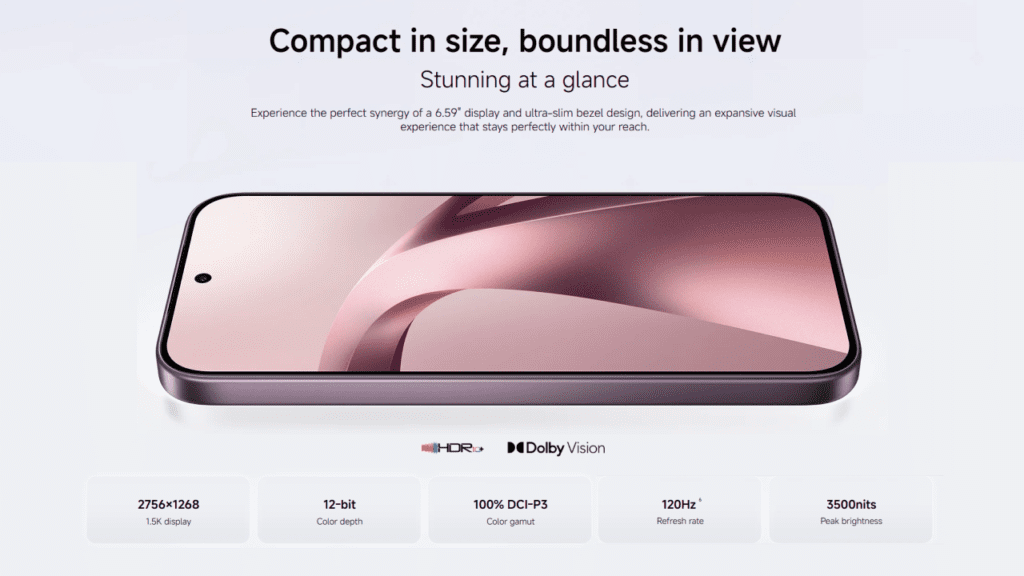
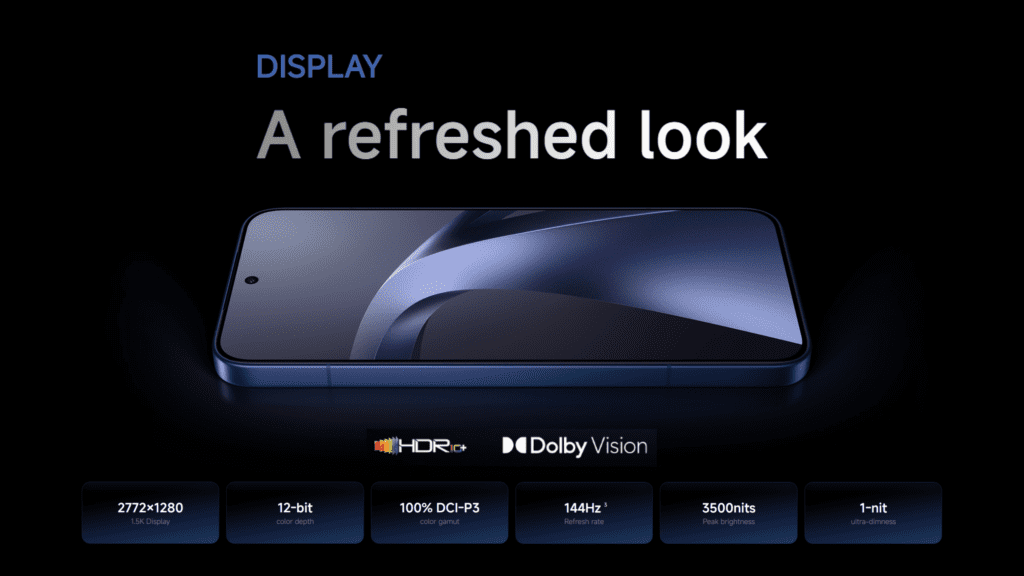
The Xiaomi 17T features a 6.59-inch AMOLED display with 1.5K resolution, Dolby Vision support, HDR10+, and a 120Hz refresh rate. The panel also reaches a peak brightness of 3,500 nits, placing it among the brighter smartphone displays currently available in the segment.
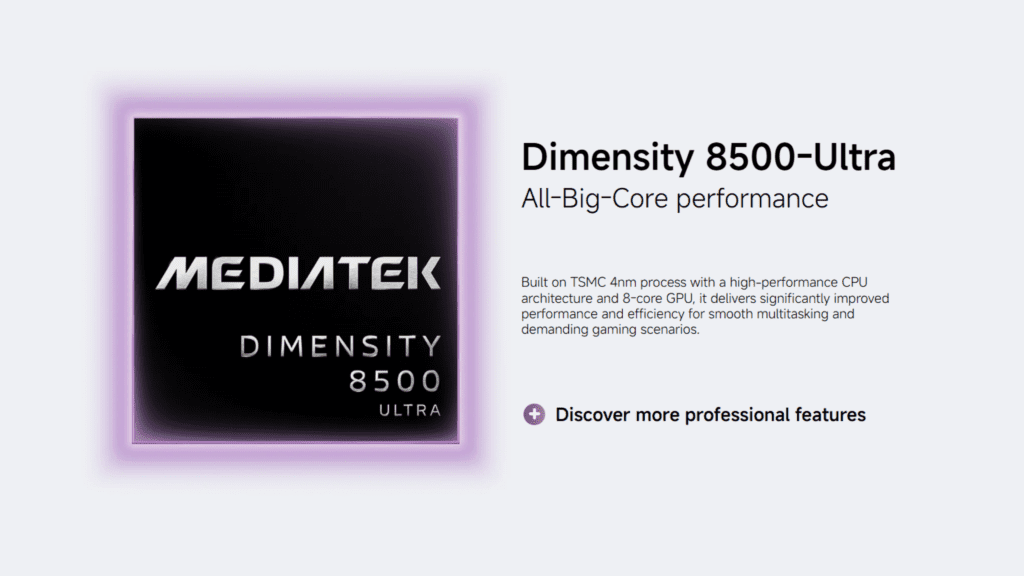
Under the hood, the device runs on the MediaTek Dimensity 8500 Ultra chipset paired with Xiaomi’s in-house Surge T1 series chips designed to improve connectivity and thermal management. Xiaomi has also equipped the smartphone with a 3D Ice Loop cooling system intended to sustain performance during gaming, multitasking, and 4K video recording.
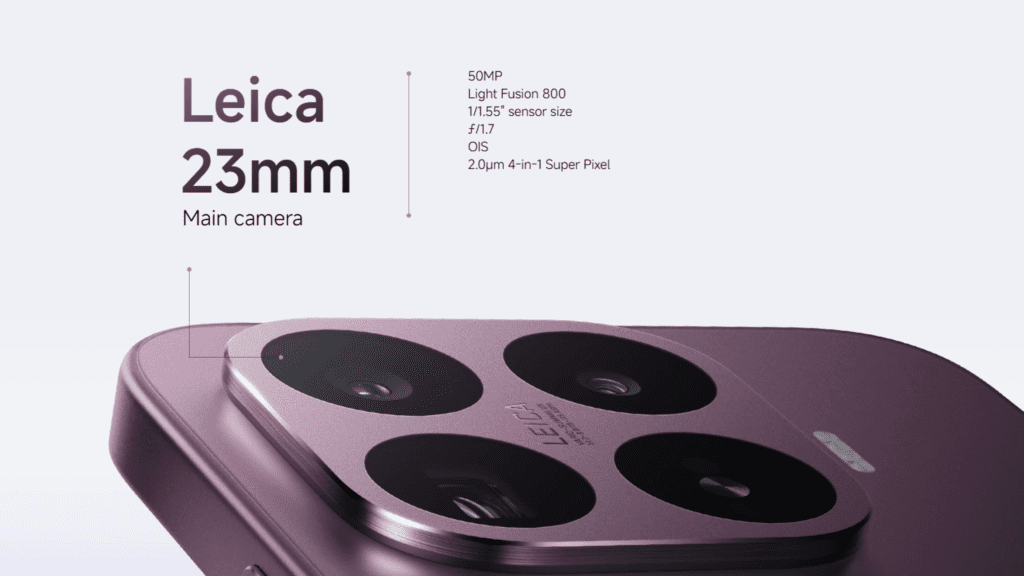
Photography remains the central selling point of the Xiaomi 17T. The phone carries a Leica-branded triple rear camera setup consisting of a 50MP primary sensor, a 50MP periscope telephoto lens with 5x optical zoom, and a 12MP ultra-wide camera. Xiaomi claims the system supports focal lengths ranging from 15mm to 115mm, offering flexibility for portrait, landscape, and long-range photography.
Additional camera features include AI-assisted zoom modes, creative shooting presets such as Silhouette and Fireworks, and support for 4K HDR10 video recording at 60fps with optical stabilization. On the front, the device houses a 32MP selfie camera capable of HDR video capture.
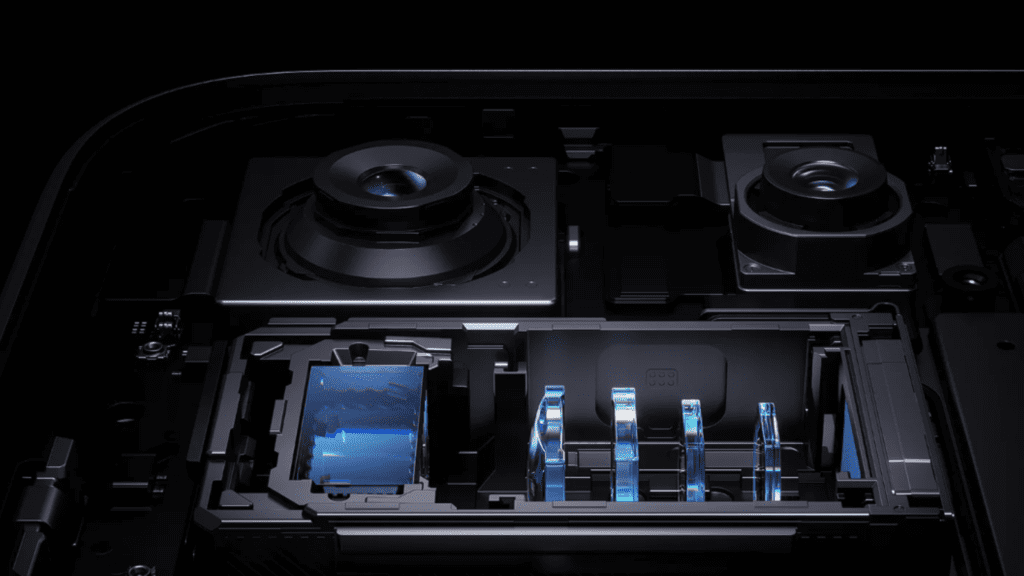
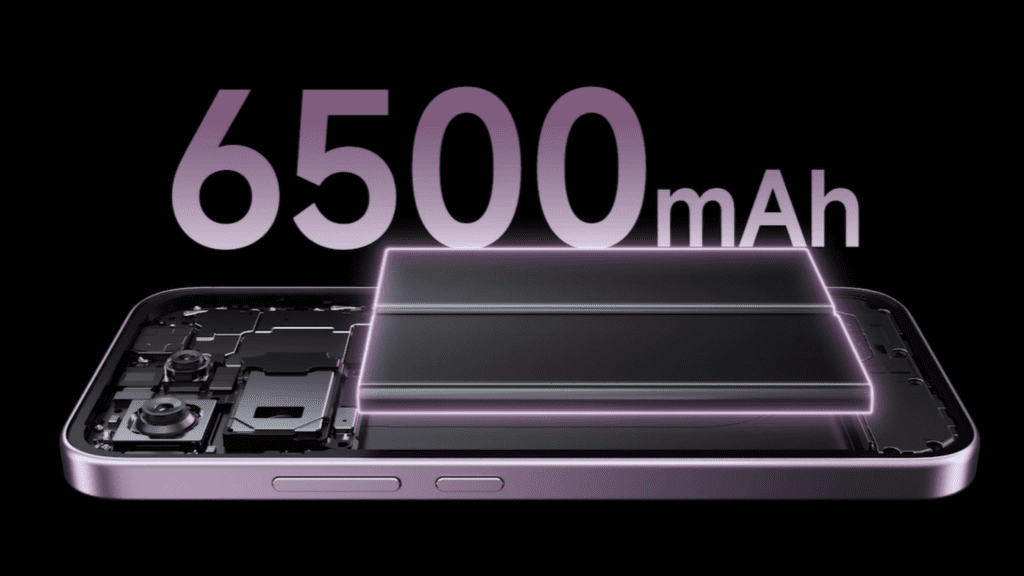
Battery capacity is another standout feature. The Xiaomi 17T packs a 6,500mAh silicon-carbon battery with 67W wired fast charging support, while maintaining a relatively manageable 200-gram weight profile.
Xiaomi 17T Pro Pushes Closer to Flagship Territory
The Xiaomi 17T Pro builds on the standard model with several hardware upgrades targeted at gamers and advanced users. It features a larger 6.83-inch AMOLED display with up to a 144Hz refresh rate, making it more suitable for high-frame-rate gaming and media consumption.
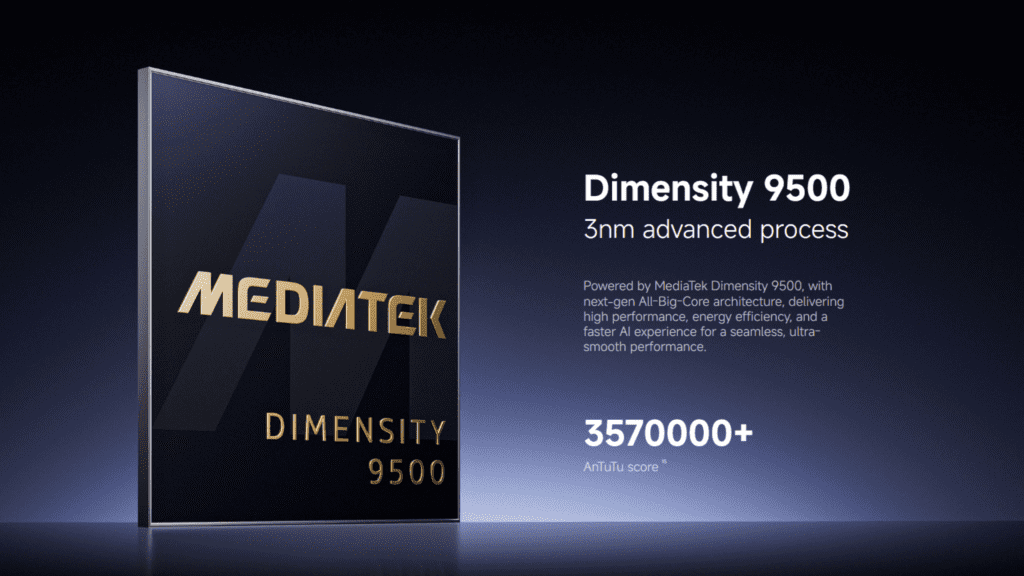
The Pro model is powered by MediaTek’s flagship Dimensity 9500 processor built on a 3nm architecture. Xiaomi says the chipset delivers improved efficiency and sustained performance compared to previous-generation hardware.
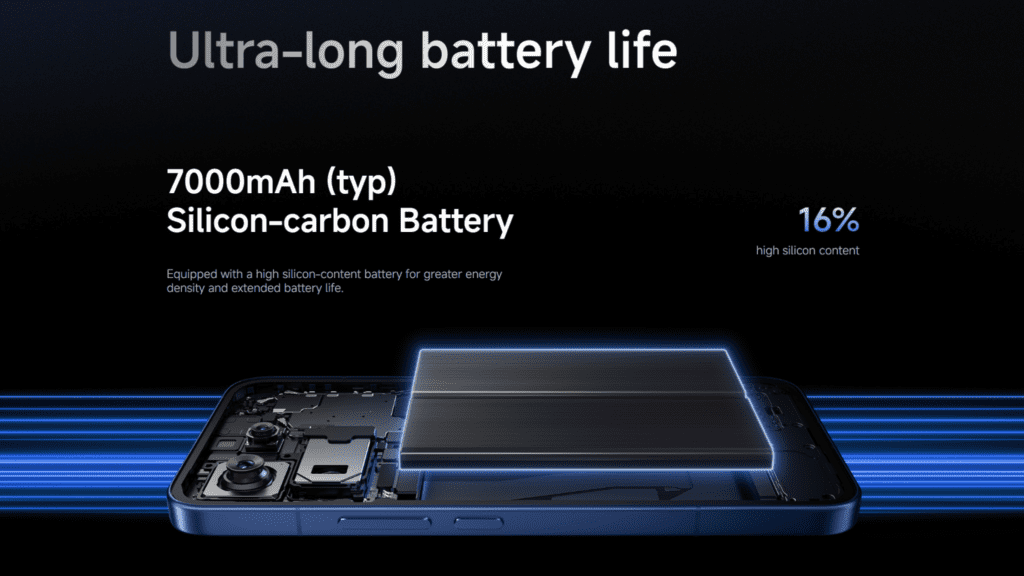
Battery capacity increases further to 7,000mAh, paired with 100W wired charging and 50W wireless charging support. Xiaomi claims the device can provide up to 9.5 hours of continuous video recording on a single charge.
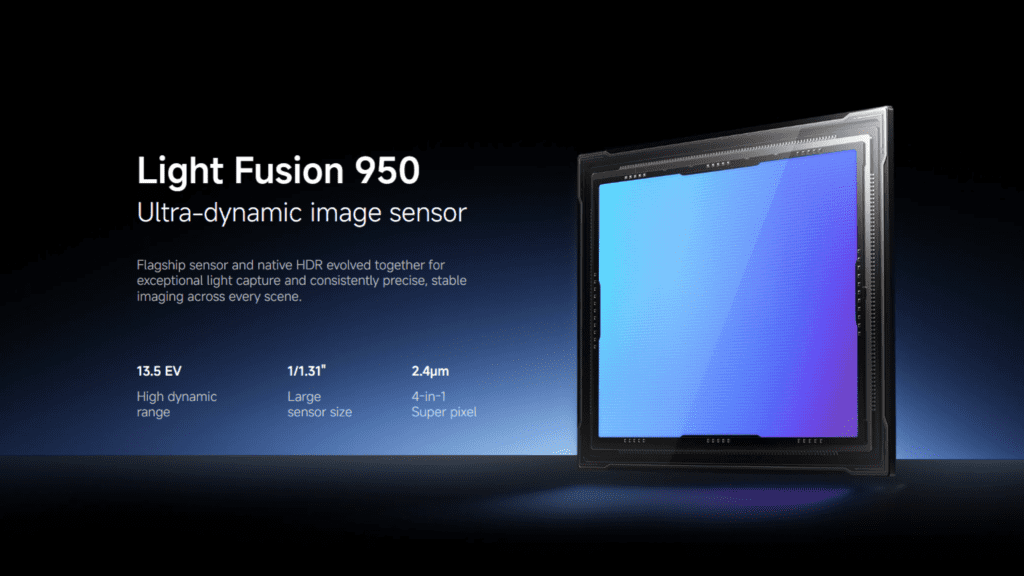
Although the overall camera layout remains similar to the standard variant, the Xiaomi 17T Pro receives an upgraded Light Fusion 950 primary sensor, which is also used in Xiaomi’s flagship Xiaomi 17 lineup. The enhancement is expected to improve detail retention, dynamic range, and low-light imaging.
Both smartphones ship with Android 16-based HyperOS 3 and include ecosystem-oriented features such as iPhone integration, AirPods compatibility, and Xiaomi’s updated Hyper Island interface.

Expert Analysis / What This Means
The Xiaomi 17T series reflects a broader shift in the smartphone market where premium features are rapidly moving into sub-flagship price categories. Instead of focusing solely on raw performance, manufacturers are now prioritizing battery endurance, advanced camera systems, and creator-focused software experiences.
For consumers, this means flagship-grade photography and large battery capacities are no longer restricted to ultra-premium devices costing significantly above Rs 1 lakh. Xiaomi’s decision to include Leica branding and a dedicated 5x periscope lens in the standard 17T could increase pressure on competing brands in the upper-midrange segment.
The launch also signals Xiaomi’s renewed interest in the Indian premium smartphone market after a prolonged absence of the T-series lineup. If the pricing remains competitive in India, the Xiaomi 17T could emerge as a direct challenger to devices from OnePlus, iQOO, and Samsung in the Rs 50,000–Rs 70,000 category.
Another notable trend is the aggressive adoption of silicon-carbon battery technology. The jump to 6,500mAh and 7,000mAh capacities without major increases in thickness or weight indicates where flagship battery development is heading industry-wide.
The inclusion of MediaTek’s latest Dimensity chips further suggests that Qualcomm’s dominance in premium Android devices is facing stronger competition than in previous years. Xiaomi appears confident that users now prioritize overall experience and efficiency over chipset branding alone.
Also read: iQOO 15T Launch Signals New Battery and Gaming Race in Premium Smartphone Market
Industry / Market Impact
The Xiaomi 17T series enters a highly competitive premium smartphone market where brands are increasingly blurring the line between flagship and upper-midrange devices. Features that were once exclusive to top-tier models such as periscope zoom cameras, 144Hz displays, and wireless charging are rapidly becoming standard expectations.
Xiaomi’s aggressive hardware strategy may force rivals to rethink pricing structures, especially in India where value-driven flagship alternatives continue gaining popularity. The company’s emphasis on camera branding through its Leica partnership also reinforces the growing importance of imaging as a primary purchase factor for consumers.
The move could particularly impact brands relying on gaming-centric positioning, as Xiaomi now combines high refresh rates, large batteries, and advanced camera systems within a single product line.
Also read: HONOR 600 Series Bets Big on AI Features and Creator Culture as Global Smartphone Race Intensifies
Background Context
Xiaomi’s T-series smartphones have historically served as performance-focused alternatives to the company’s main numbered flagship lineup. Earlier T-series models earned attention for delivering premium specifications at comparatively lower prices, often earning the “flagship killer” label.
However, the segment has evolved significantly over the last few years. Consumers now expect premium displays, AI-assisted photography, faster charging, and extended battery life even from non-flagship devices.
The Xiaomi 17T lineup appears designed to address those changing expectations while helping Xiaomi strengthen its position in the premium Android ecosystem.
What Happens Next
The immediate focus now shifts to the Indian launch event scheduled for June 4, where Xiaomi is expected to reveal official pricing, storage variants, and availability details for the Xiaomi 17T.
Industry analysts will also closely watch whether Xiaomi introduces the Xiaomi 17T Pro in India at a later stage. Given the growing demand for premium Android smartphones with strong battery life and camera capabilities, the Pro variant could find significant traction if launched competitively.
Consumer response to HyperOS 3 and Xiaomi’s ecosystem integration features may also play an important role in determining the success of the lineup over the coming months.