
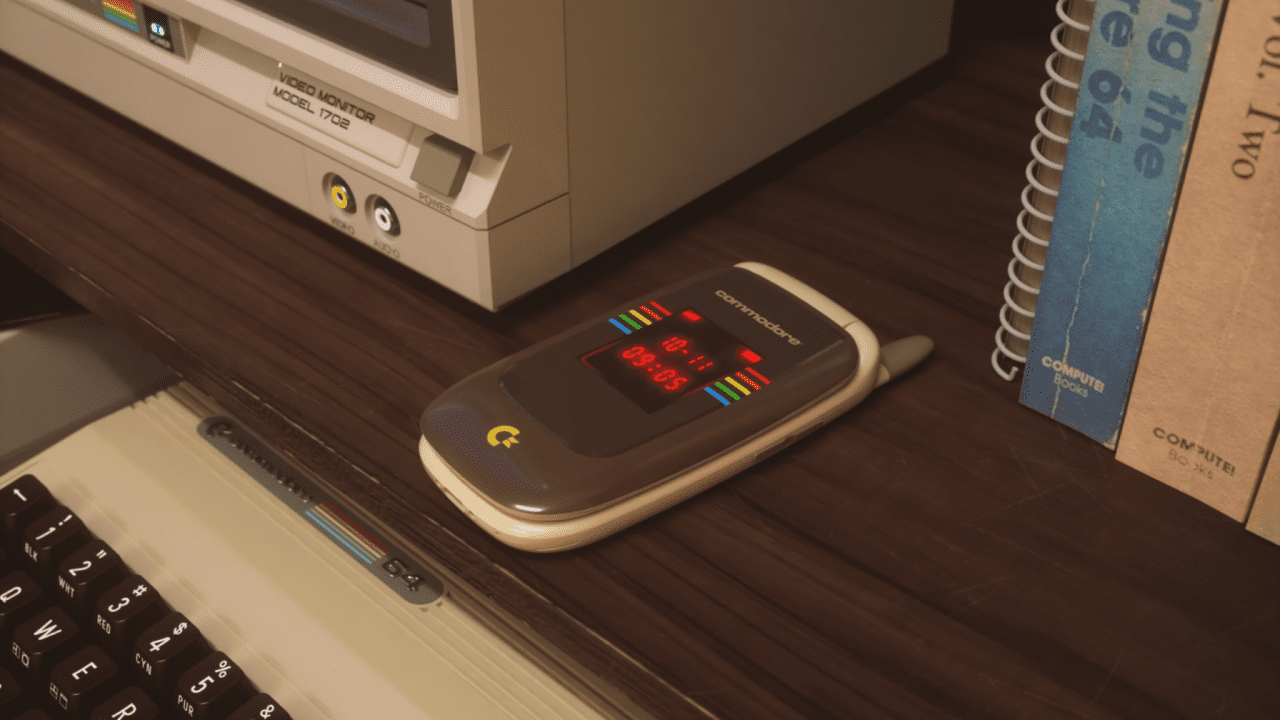
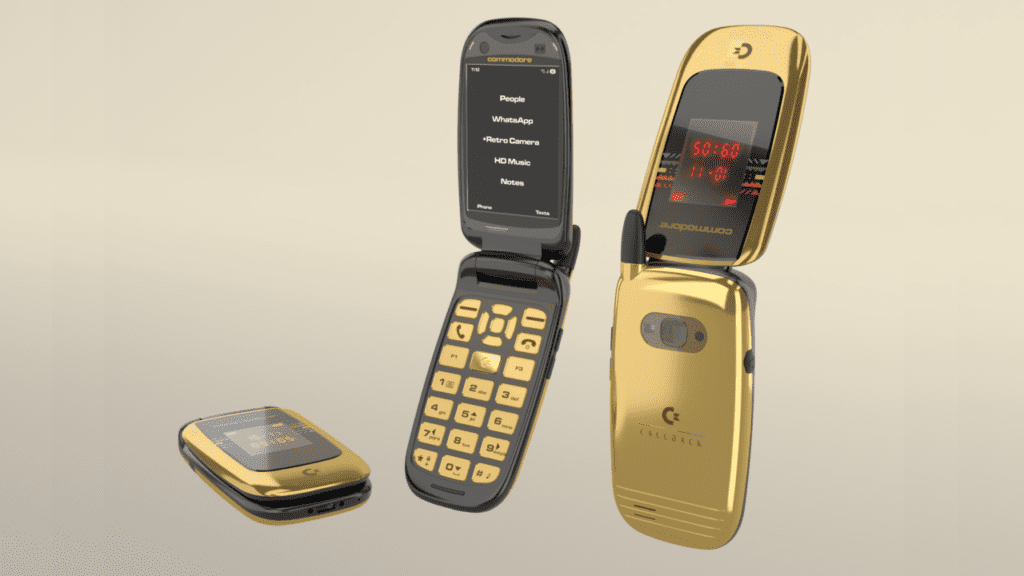
The revival of the Commodore brand is taking an unexpected turn into the mobile market with the launch of the Commodore Callback 8020, a retro-inspired flip phone designed to counter the always-connected smartphone era. Positioned as a device that prioritizes communication over constant engagement, the Commodore Callback 8020 combines modern smartphone functionality with strict limits on social media and web browsing, reflecting a growing consumer appetite for digital wellness and distraction-free technology.
The announcement marks one of the most ambitious product launches since YouTuber and entrepreneur Christian “Peri Fractic” Simpson acquired the Commodore name and intellectual property in 2025. Following the release of modernized Commodore-branded computing products, the company is now entering the rapidly growing digital detox segment, targeting users who want essential connectivity without the endless cycle of notifications, feeds, and algorithm-driven content.
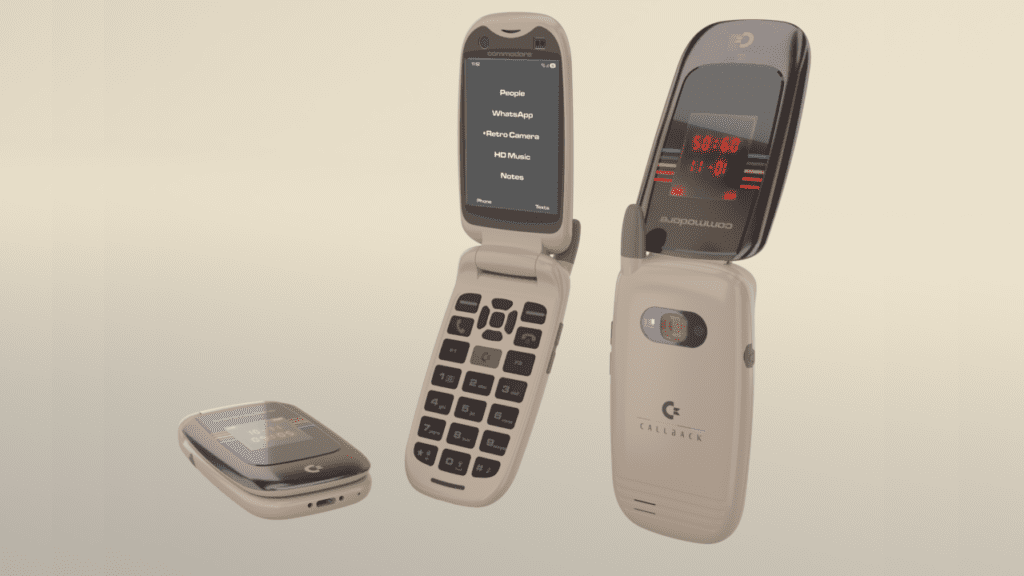
Unlike traditional smartphones, the Callback 8020 is built around a philosophy of intentional technology use. The device includes messaging apps, maps, music playback, QR code support, and other practical tools, but intentionally excludes social media platforms and conventional web browsers. According to Commodore, these restrictions are enforced through multiple technical layers designed to prevent users from installing or accessing major social media services.
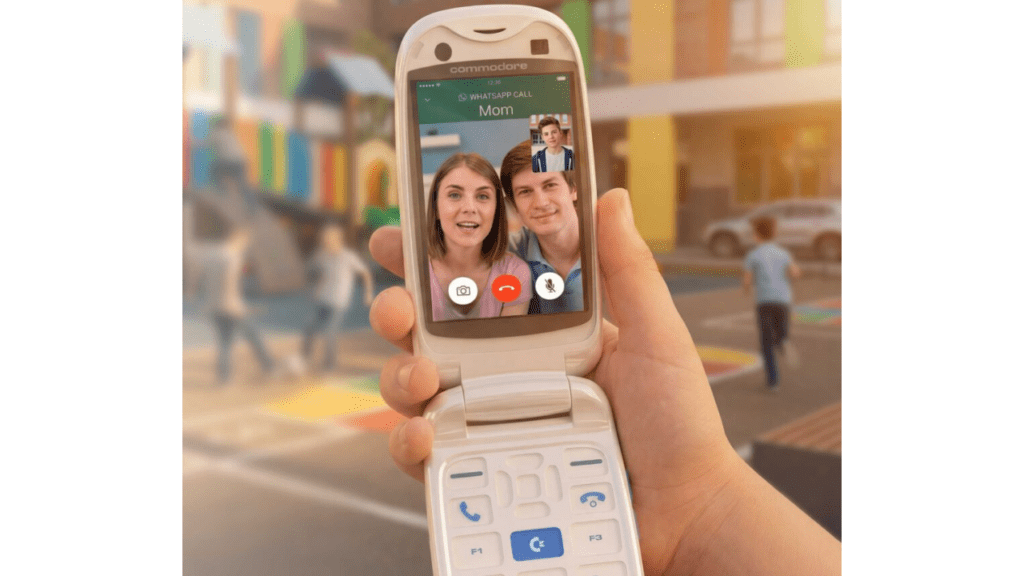
Running on Sailfish OS, a Linux-based mobile operating system developed by Jolla, the phone supports a broad range of Android applications through a compatibility layer. This allows users to access services such as Spotify, WhatsApp, Signal, Uber, and other utility-focused apps while maintaining the company’s restrictions on platforms associated with excessive screen time and doomscrolling.
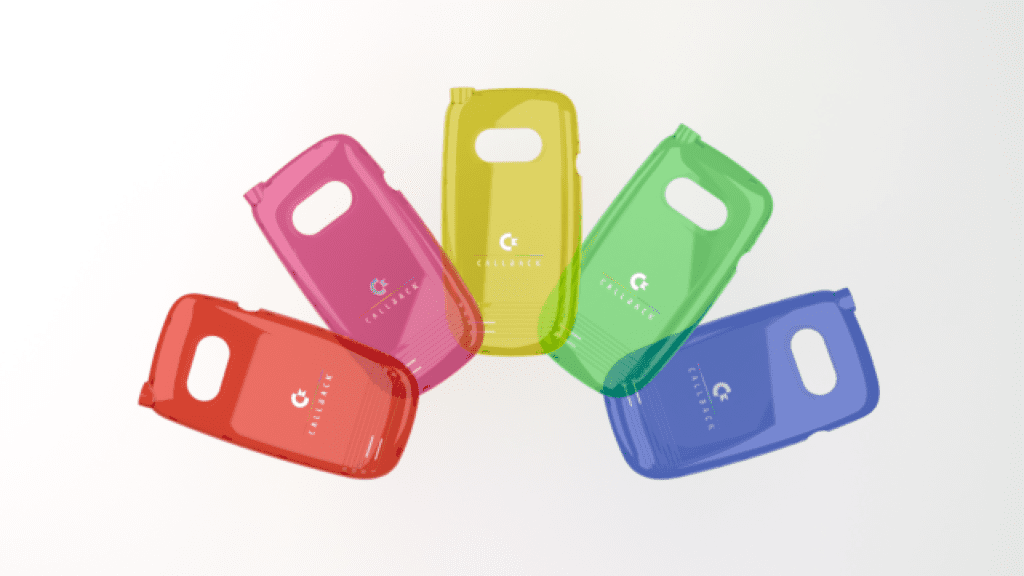
The design language leans heavily into Commodore’s heritage. The clamshell form factor recalls the era before touchscreen dominance, while the exterior display draws inspiration from vintage Commodore calculators. Users can swap covers, attach charms, and customize the device’s appearance, adding to its nostalgic appeal. Additional retro-inspired touches include a T9-style typing experience, preloaded Commodore-era games, an integrated FM radio, a dedicated 3.5mm headphone jack, and support for SID music playback, referencing the iconic sound chip found in the original Commodore 64.
Why This Matters
The launch arrives amid growing concerns about the effects of excessive smartphone usage on mental health, productivity, and social interaction. Across several demographics—particularly younger consumers—there has been increasing interest in products that reduce digital distractions without completely disconnecting users from modern services.
The digital detox movement has gained traction through devices such as the Light Phone, WisePhone, and other minimalist alternatives. However, many of these products require users to sacrifice conveniences such as music streaming, ride-hailing apps, or modern messaging services. Commodore is attempting to occupy a middle ground by offering a connected experience while removing the features most commonly associated with compulsive usage.
The strategy also reflects a broader cultural shift. Interest in physical media, retro technology, wired accessories, and simplified digital experiences has grown significantly in recent years. For many younger consumers, these products represent not nostalgia but a deliberate rejection of the hyperconnected environment that has defined much of the smartphone era.
Also read: Apple’s iPhone 18 Launch Could Be Delayed Until 2027 as Supply Chain Signals Major Strategy Shift
Expert Analysis / What This Means
The Commodore Callback 8020 represents more than another niche smartphone launch—it highlights an emerging battle over how technology should fit into everyday life. For years, smartphone manufacturers competed by increasing screen time, engagement, and ecosystem lock-in. Commodore is taking the opposite approach by marketing reduced connectivity as a premium feature.
If successful, the device could encourage other technology companies to introduce stronger built-in controls aimed at limiting addictive digital behavior. The concept may also resonate with parents seeking safer mobile devices for teenagers and with professionals looking to reduce distractions without abandoning essential apps.
The product’s biggest challenge will be convincing consumers to pay premium smartphone prices for intentionally restricted functionality. While digital wellness has become a mainstream concern, many users remain deeply dependent on social media platforms for communication, entertainment, and work.
The Callback 8020 could ultimately serve as a test case for whether consumers are willing to trade unlimited access for greater control over their attention. Its performance may influence future product strategies across the broader mobile industry.
Industry / Market Impact
Commodore’s entry into the minimalist phone segment intensifies competition within a growing category of devices designed around digital well-being. Companies such as Light and Wisephone have already demonstrated demand for alternatives to conventional smartphones, but the market remains relatively small compared with mainstream mobile devices.
What differentiates Commodore is its globally recognized brand and strong connection to computing history. By combining nostalgia with practical smartphone capabilities, the company is attempting to appeal simultaneously to older technology enthusiasts and younger consumers interested in intentional technology use.
The pricing strategy places the Callback 8020 between budget minimalist phones and premium flagship devices. Depending on the model and color variant, the phone is expected to retail between $500 and $640, positioning it as a lifestyle product rather than a low-cost alternative.
Background Context
Commodore was one of the most influential names in personal computing during the 1980s, best known for the Commodore 64, which became one of the best-selling desktop computers in history. After years of brand inactivity and ownership changes, the company re-emerged under new leadership with plans to modernize its legacy through new hardware products.
Since acquiring the brand, Simpson has focused on creating products that blend retro design with contemporary functionality. The Callback 8020 continues that strategy, extending Commodore’s revival beyond computers and into mobile technology.
The company is targeting shipments for the fourth quarter, with pre-order interest already being gathered. Whether the device becomes a mainstream success or remains a niche product, it underscores a growing desire among consumers to rethink their relationship with technology and reclaim control over their attention in an increasingly connected world.
What Happens Next
As Commodore prepares for launch, industry observers will be watching several key factors: consumer demand, the effectiveness of the phone’s social media restrictions, and whether the digital detox movement can sustain long-term momentum.
The company is also expected to engage with its user community regarding future app policies and platform restrictions. Feedback from early adopters could shape how the device evolves after launch.
If the Callback 8020 gains traction, it may signal a broader shift toward smartphones that emphasize intentional use rather than maximum engagement—potentially influencing how future mobile devices are designed and marketed.