
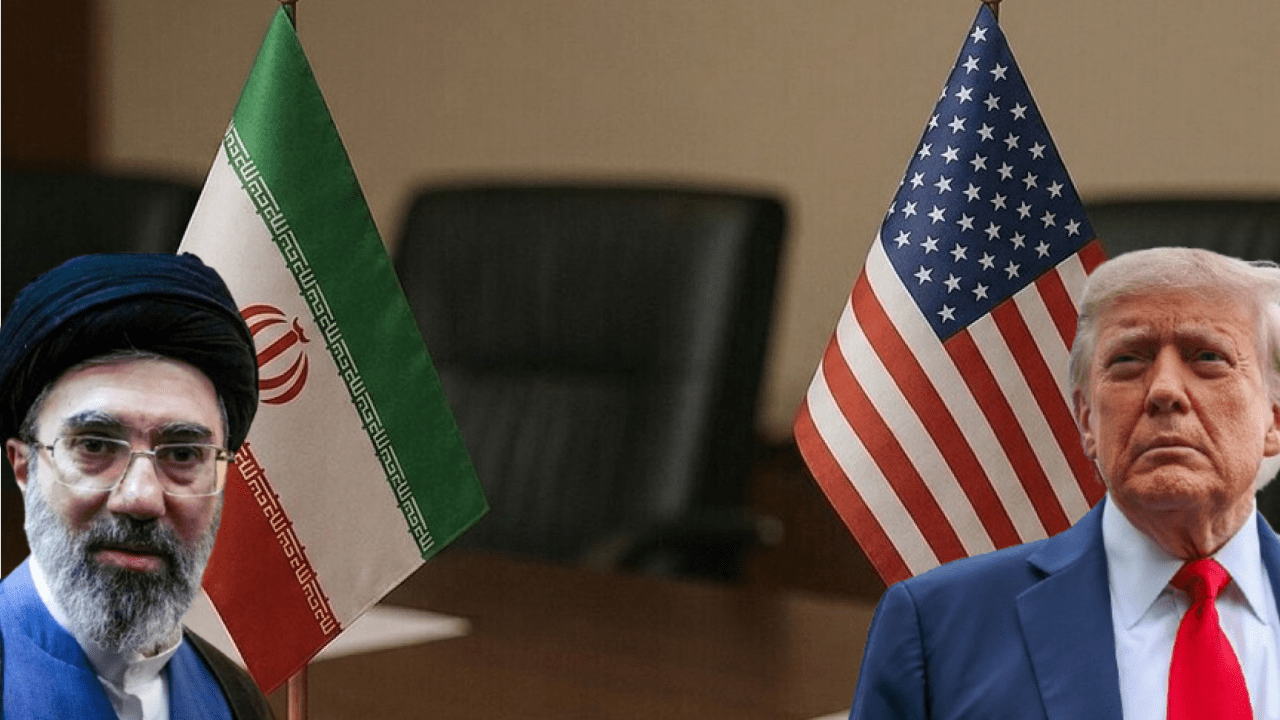
A breakthrough diplomatic agreement between the United States and Iran has paved the way for the formal end of a conflict that has destabilized the Middle East for more than three months, raising hopes for renewed regional stability, lower energy prices, and a potential pathway toward resolving one of the world’s most contentious nuclear disputes.
The framework agreement, confirmed by both Washington and Tehran and brokered with the assistance of Pakistan, is expected to be formally signed in Geneva, Switzerland, on June 19. The deal includes an immediate halt to military operations, the reopening of the strategically vital Strait of Hormuz, the removal of the US naval blockade on Iran, and the launch of a 60-day negotiation process focused on Iran’s nuclear program.
The announcement marks the most significant diplomatic development between the two countries in decades and follows months of military escalation that spread across multiple fronts in the Middle East, including tensions involving Lebanon.
US President Donald Trump declared the agreement “complete” and described it as a historic achievement capable of bringing lasting peace and security to the region. Iranian officials also confirmed the framework but emphasized that future negotiations would proceed only if Washington fulfills its commitments under the agreement.
Also read: Iran Proposes Phased Deal to End War and Reopen Strait of Hormuz Amid Stalled US Talks
Key Elements of the Framework Agreement
Although the full text has not yet been released, officials from both sides have outlined several core provisions.
The agreement reportedly calls for the immediate and permanent cessation of military operations across all active fronts. Pakistani officials, who played a central mediating role, stated that the understanding extends to Lebanon, where tensions involving Hezbollah and Israel had threatened to derail negotiations in recent days.
Another major component involves reopening the Strait of Hormuz, one of the world’s most important energy corridors. The waterway handles a significant share of global oil shipments, and its closure had contributed to market uncertainty and rising energy costs throughout the conflict.
The framework also creates a 60-day diplomatic window during which negotiators will attempt to reach a comprehensive agreement on Iran’s nuclear activities. While both sides have indicated a willingness to continue talks, substantial differences remain over uranium enrichment, existing stockpiles, inspections, and the future structure of Iran’s nuclear program.
Reports suggest discussions may also address sanctions relief and access to frozen Iranian assets, though officials have not publicly confirmed the precise terms.
Also read: Iran Seizes India-Bound Cargo Ship in Strait of Hormuz, Escalating Maritime Security Concerns
Regional Tensions Accelerated the Breakthrough
The agreement emerged after a volatile weekend that underscored the risks of a broader regional escalation.
Israeli strikes on Beirut’s southern suburbs and subsequent concerns over possible retaliation heightened fears that the conflict could reignite across multiple fronts. Diplomatic efforts intensified as mediators sought to prevent a wider confrontation.
According to officials involved in the negotiations, the prospect of renewed military escalation helped accelerate discussions between Washington and Tehran, ultimately leading to the framework announcement.
Despite Lebanon’s inclusion in the agreement, uncertainty remains regarding implementation because neither Israel nor Hezbollah participated directly in the negotiations. Israeli officials had not publicly endorsed the framework immediately following its announcement, and questions remain over how all parties will adhere to its provisions.
Markets Respond With Optimism
Global financial markets reacted positively to news of the agreement.
Oil prices fell sharply as traders anticipated the restoration of energy flows through the Strait of Hormuz and reduced risks of supply disruptions. Brent crude and US benchmark oil both recorded significant declines following the announcement.
Equity markets across Asia posted strong gains, reflecting improved investor confidence and expectations that geopolitical tensions could ease. Currency markets also shifted toward risk assets, contributing to weakness in the US dollar against several major currencies.
The reaction highlighted how closely global markets have been tied to developments in the Middle East and the strategic importance of uninterrupted energy exports from the region.
Also read: Ceasefire Nears Expiry as US-Iran Tensions Escalate, Raising Risk of Prolonged “Frozen Conflict”
Expert Analysis / What This Means
The framework agreement represents far more than a ceasefire. It creates an opportunity to reshape regional diplomacy after months of military confrontation and years of strained relations between Washington and Tehran.
For energy markets, the reopening of the Strait of Hormuz could reduce supply concerns and help stabilize oil prices, benefiting consumers and businesses worldwide. For regional governments, the agreement offers a chance to de-escalate conflicts that risked drawing multiple countries into a wider war.
However, the most difficult phase may still lie ahead. The upcoming 60-day negotiations on Iran’s nuclear program will require compromises on issues that have repeatedly undermined past diplomatic efforts. Any failure to reach a final accord could revive tensions and potentially trigger renewed military action.
The agreement also highlights a shift from military pressure toward negotiated outcomes, a strategy that could influence future conflict resolution efforts across the Middle East. If successful, it may become one of the most consequential diplomatic breakthroughs in the region since earlier international nuclear agreements involving Iran.
At the same time, skepticism remains among regional stakeholders who argue that critical issues including missile capabilities, proxy networks, and long-term security guarantees have not yet been fully addressed.
Industry / Market Impact
Energy companies, shipping operators, insurers, and commodity traders are likely to be among the biggest beneficiaries of the agreement.
The reopening of one of the world’s most important maritime routes could reduce transportation costs and improve reliability for global oil and gas exports. Lower geopolitical risk premiums may also ease pressure on fuel prices, helping economies already grappling with inflation concerns.
Financial analysts will closely monitor implementation milestones, particularly the reopening of shipping lanes and any announcements regarding sanctions relief.
What Happens Next
The next major milestone will be the formal signing ceremony in Geneva on June 19.
Following the signing, negotiators are expected to begin intensive discussions on Iran’s nuclear program. Those talks will likely determine whether the current framework evolves into a lasting diplomatic settlement or remains a temporary pause in hostilities.
International powers including the United Kingdom, France, Germany, and Italy have signaled readiness to support further negotiations and potentially ease sanctions if Iran takes verifiable steps regarding its nuclear activities.
The coming weeks are therefore expected to be critical in determining whether the framework agreement can deliver lasting peace or merely postpone deeper disputes.